
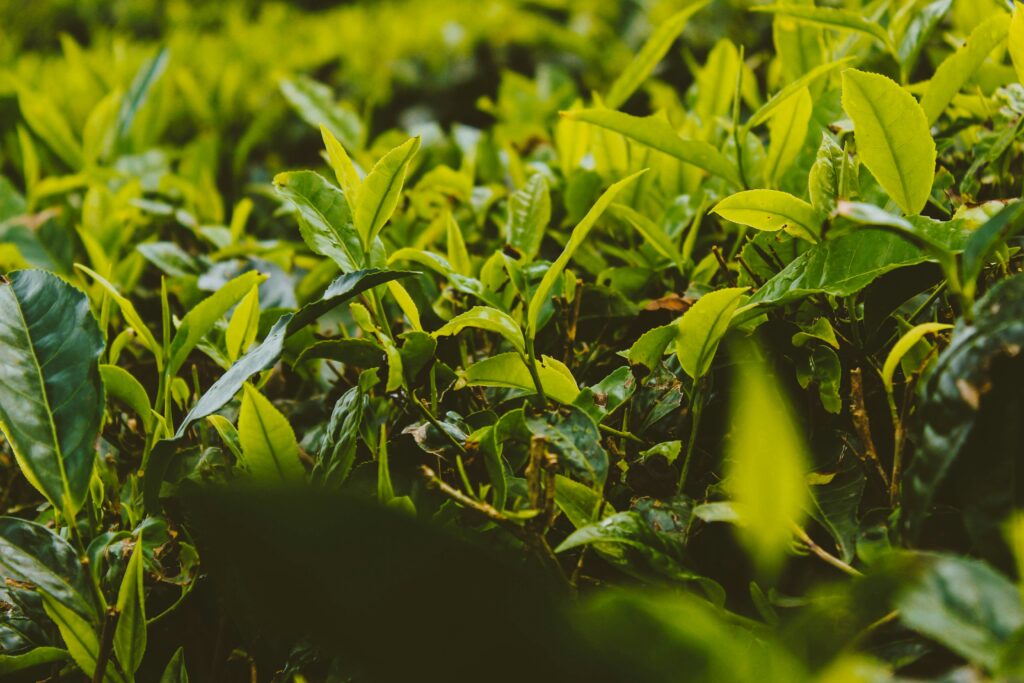
Terroir (French for “land” or “soil”) is the unique combination of environmental factors—like soil, climate, topography, and local traditions—that gives a wine or other agricultural product its distinctive character, influencing its flavour, aroma, and quality. It’s the “sense of place.” Key elements include climate, soil composition (nutrients, drainage), sunlight, altitude, and specific farming practices.
Tea in Sri Lanka is grown at height, which is what gives it its great qualities of taste. At Harrow, the main quality of the terroir is it is very high: it is undulating hillside, so the height varies across different parts of the estate, but it always falls within the “high-grown” category, and it is this height (all the tea is grown at over 1200m) that produces the highest quality Ceylon teas, giving the tea a light, delicate, and fragrant flavour.
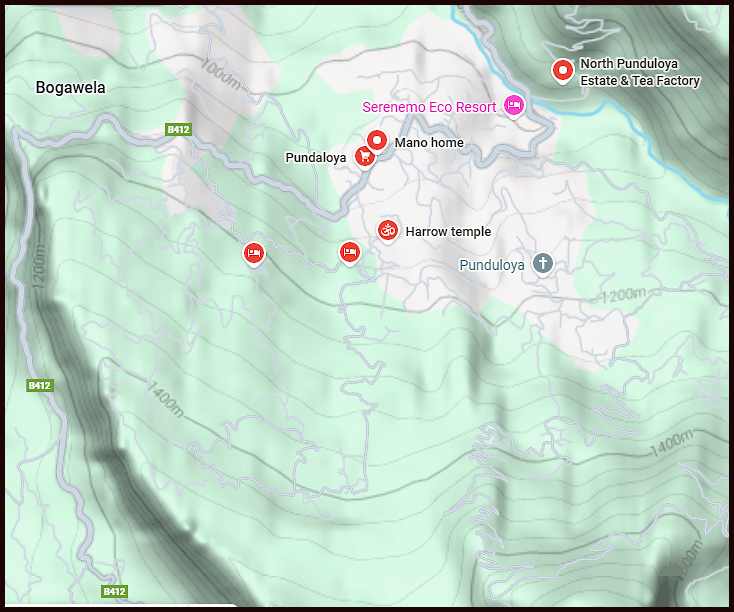
Harrow Estate
The Estate was established in the 1800’s originally for coffee, but had to turn to tea as everyone in the area did, when coffee rust disease struck: Coffee rust, caused by the fungus Hemileia vastatrix, devastated Sri Lanka’s (then Ceylon) coffee industry in the 1870s, leading to economic collapse and a massive shift to tea cultivation, forever changing the island’s agricultural landscape and global tea market.
Holidays can be spent at the Manager’s Bungalow on the Estate, which benefits from a pool and a treehouse!
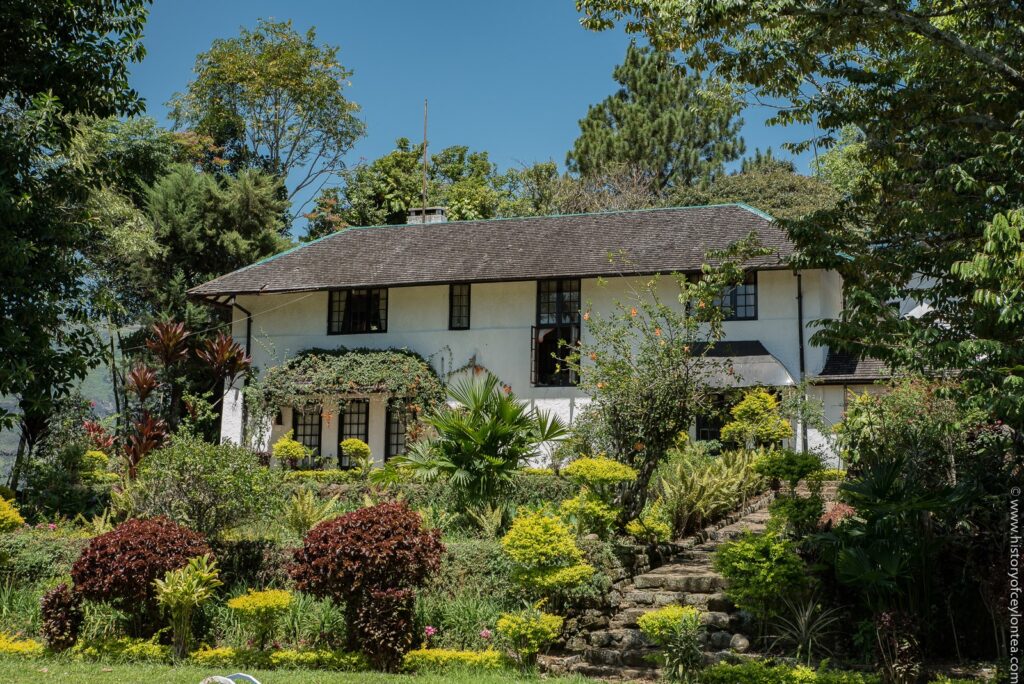
The beauty of the Sri Lankan landscape here is part of why the tea is special and what gives it its unique taste. You can also see the local Wildlife which lives here.